





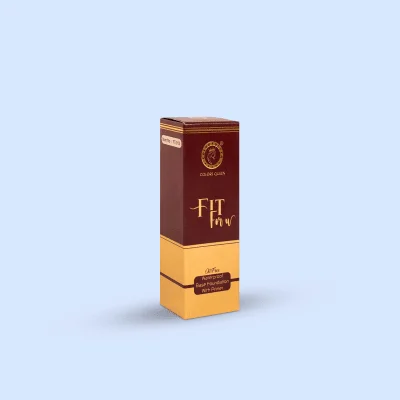


How Does a Shade Range Print on One Dieline?
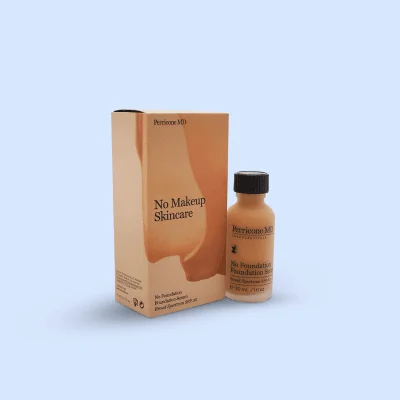
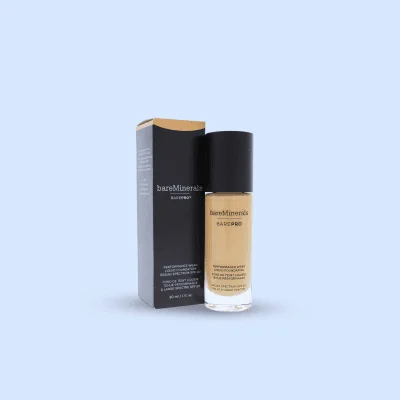
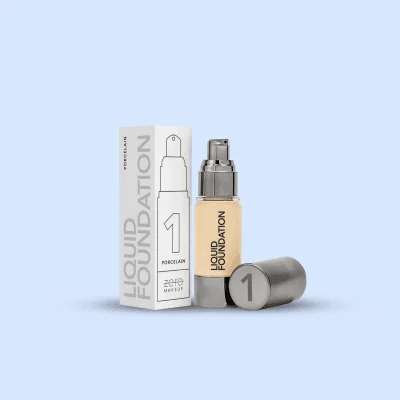
Every shade in the range sits in the same bottle, so one dieline covers the whole launch. The artwork file is the only thing that moves because each shade takes its own version of a single layout.
The number of versions in the range then decides which press we quote. Digital printing carries no plates so eight short versions cost close to what one long run costs per box. Offset printing needs a plate set for each version and the plate change is where the money goes. A deep run per shade spreads that plate cost over enough boxes to beat digital.
| Run shape | Press we quote |
|---|---|
| Eight shades at the 100 box minimum each | Digital, no plate set per version |
| Eight shades at 1,000 boxes each | Offset with a plate change per version |
| Core shades deep and the rest shallow | Offset on the core, digital on the tail |
Where Do the Shade Name and Number Belong on the Panel?
A shopper at a shelf reads the shade before anything else on the carton. We hold that shade block in one fixed position across every version so the eye lands in the same spot. The block stays clear of the bottom 30 percent of the front panel, since net contents own that strip.
Plenty of brands print a shade swatch beside the name. A skin tone built from four process inks lands differently on press than it does on a backlit screen, which is the whole point of CMYK printing. We send a printed sample on the real board first. A shade added after the launch goes on as a printed shade sticker instead of a fresh run.
How Do You Size a Box Around a Pump Bottle?
Published bottle figures cover the bare bottle and they stop there. A 30 ml glass bottle runs about 9.5 cm tall and 3.1 cm in diameter while the plastic version runs about 10 cm by 3.2 cm. Neither number includes the pump, so the assembled unit stands taller than the spec sheet suggests.
Send us one filled bottle with the pump fitted and the cap seated. We measure it here and build the dieline from that unit rather than from a catalog height. Our guide to measuring a box covers the gap between inside and outside dimensions.
| 30 ml bottle | Published figure |
|---|---|
| Glass | About 9.5 cm tall and 3.1 cm in diameter |
| Plastic | About 10 cm tall and 3.2 cm in diameter |
| Pump and cap | Not counted in either published figure |
Which Board and Insert Does a Glass Bottle Need?
Foundation ships in glass more than most beauty lines and glass punishes movement. A bottle that slides across the box chips at the shoulder before it reaches a counter. A die cut card cradle or a foam bed holds it still and that is the entire job of a box insert.
Retail cartons run on 300 to 350 GSM board, which works out to roughly 0.35 to 0.46 mm in caliper. We run that same board range across our folding cartons for the rest of the beauty program.
| Specification | What we run |
|---|---|
| Material | White SBS folding carton board, kraft board, or wrapped rigid for shade sets |
| Board weight | 300 to 350 GSM for retail cartons |
| Box structure | Straight tuck end, reverse tuck end, sleeve and tray, two piece rigid |
| Insert | Die cut card cradle or foam bed so the glass cannot move |
What Has to Appear on a Foundation Carton?
Four elements are required on the carton before any artwork goes down around them. You need the statement of identity, the net quantity of contents, the ingredient list and your name and place of business. Net contents belong in the bottom 30 percent of the front panel. Since December 2024 a domestic address or phone number or website has to appear for adverse event reports.
One further detail catches a shade range and never catches a single product. The ingredient list is not identical across every shade because the pigment load shifts from the lightest to the deepest. Check each version against the formula your lab supplies before the artwork goes to press.
Minimum Order, Lead Time, and Samples
- The minimum order is 100 boxes per size and design, so each shade version counts on its own
- Folding cartons run 8 to 10 business days after you approve the dieline
- Rigid and magnetic shade sets run 10 to 12 business days after dieline approval
- A plain sample takes 3 to 5 business days and a printed sample takes 7 to 10
- Price breaks land at 500 and 1,000 units on the same artwork
Request a Quote
Send your shade count and your run quantity per shade to our quote form with one filled bottle. We measure the unit here and quote the digital and offset route on one dieline.
 The Customized Boxes